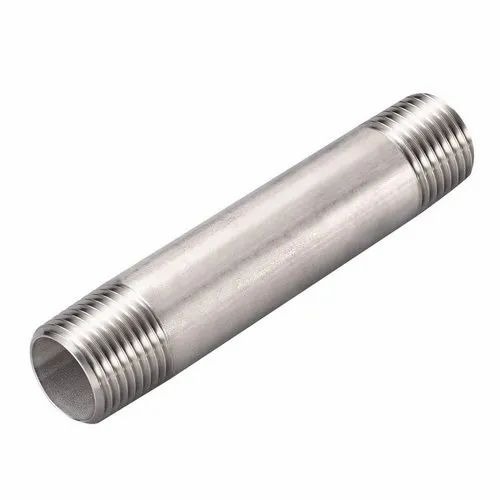
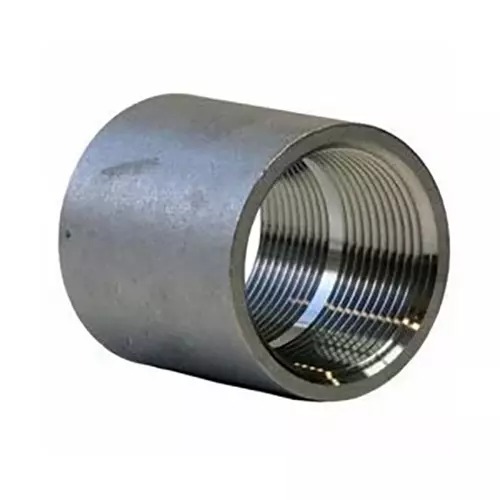
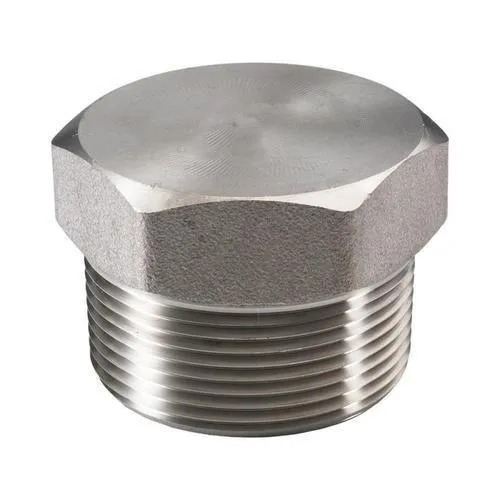
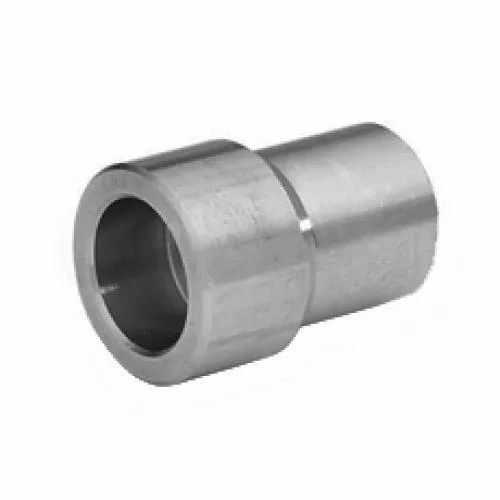
What is Socket Weld Fittings?
A Socket Weld Fitting is a type of pipe attachment detail where the pipe is inserted into a recessed area of a fitting, valve, or flange. To join the pipes or valves to other sections of the pipe, fillet-type seal welds are applied. Socket Weld Fitting are a good choice in certain cases due to their advantages of strong structural strength and high leakage integrity. These factors are important considerations when designing a pipeline project.
How to describe socket weld pipe fittings dimensions correctly
When placing a request for Socket Weld Fitting, it is important to specify the OD (outside diameter) dimensions and the pressure requirements (or thickness schedule). Socket Weld Fittings have pressure ratings that are typically expressed as class 3000, class 6000, and class 9000. Socket Weld Fittings are essential industrial components that play a key role in various industries. ADVANCE FORGING is a renowned Manufacturer and Stockist of Socket Weld Fitting in Kolkata, West Bengal, Odisha, Chhattisgarh, Assam, Andhra Pradesh, Hyderabad Telangana, Chennai, Uttar Pradesh, Bihar, and Ahmedabad Gujarat.
Variety of Socket Weld Fittings
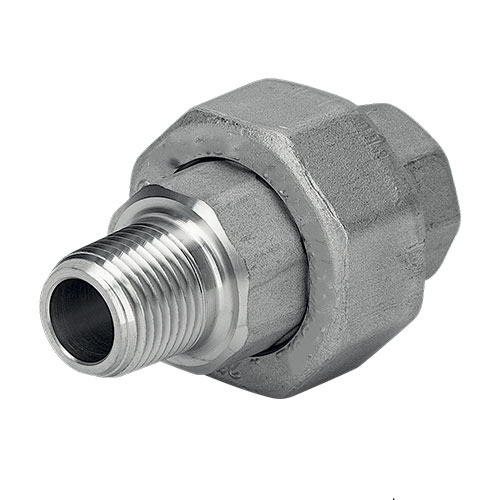
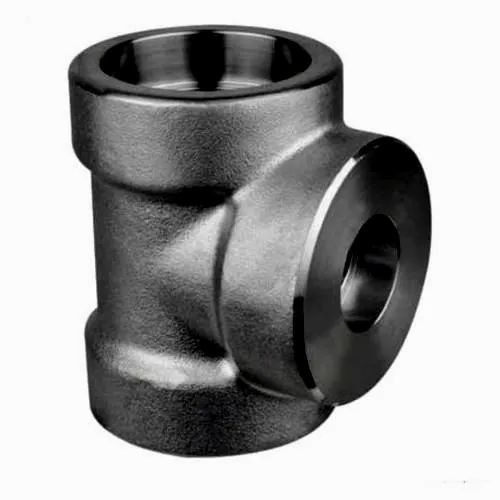
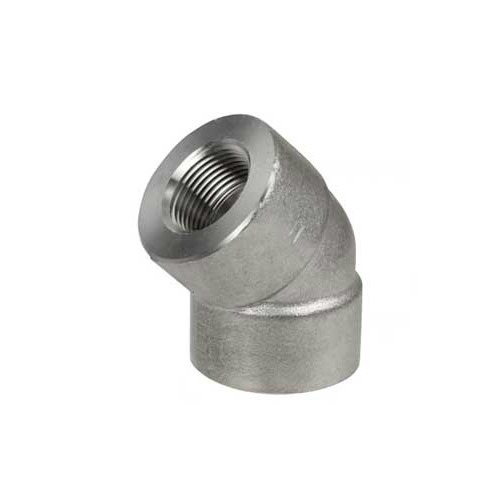
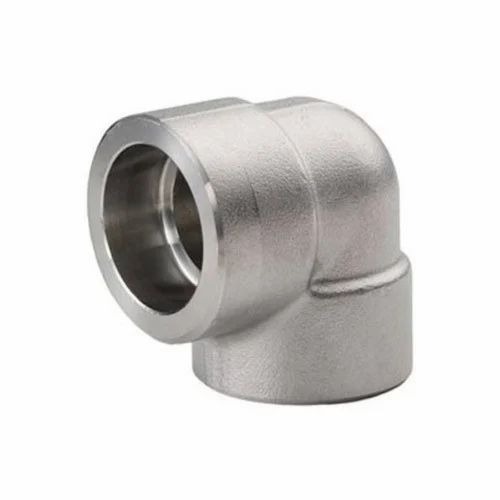
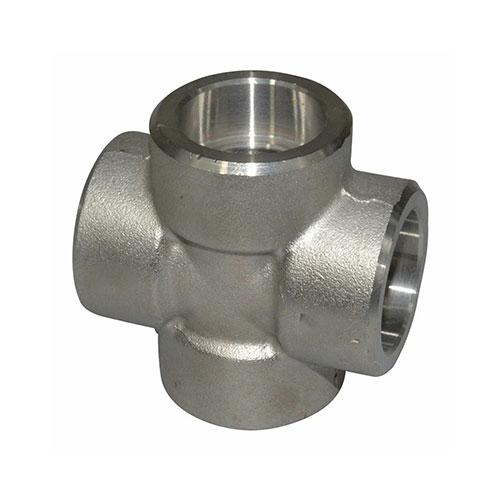
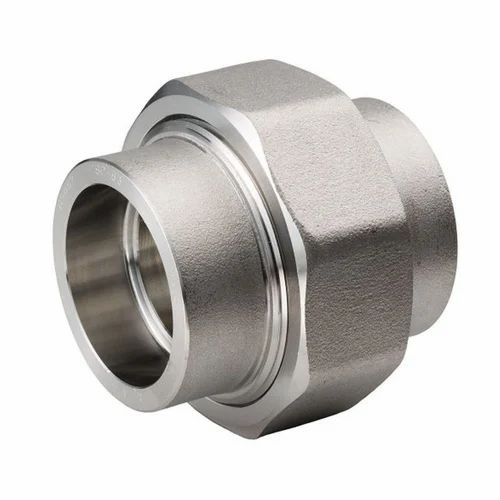
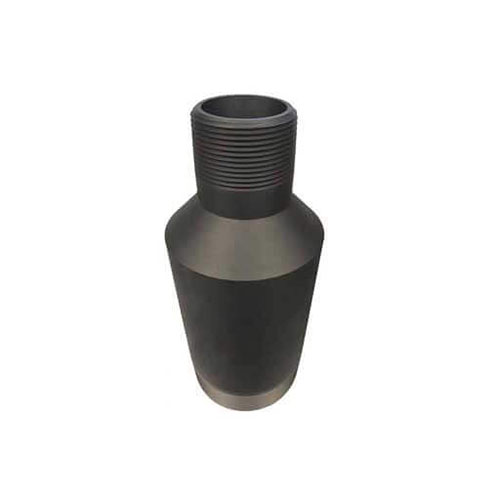
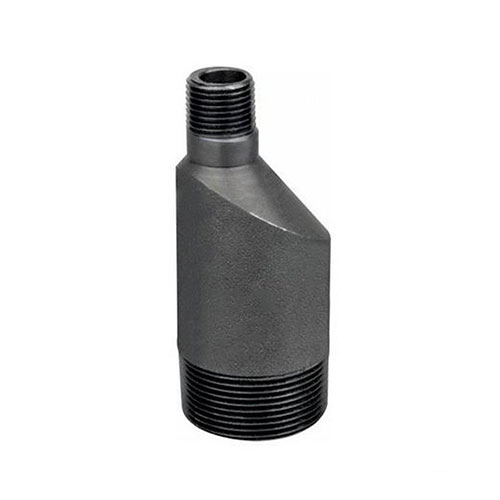
We offer an exceptional collection of all types of SS Socket Weld Fittings at highly affordable prices. All of our Forged Socket Weld Fittings possess excellent mechanical properties, which contributes to their high demand in the market. All types of socket weld fittings are fabricated using fresh, high-quality raw materials sourced from reputable and trustworthy vendors. Our Socket Weld Elbow is designed to change the direction of a piping system, while our Socket Weld Fittings typically features one inlet and three outlets, or vice versa. Our Socket Weld Fittings are leak-proof and long-lasting. Additionally, our Socket Weld Reducers and Socket Weld Unions are durable and corrosion-resistant. Each type of socket weld fitting is suitable for various mechanical applications. We have a team of professional clients who are highly satisfied with the quality and performance of our Socket Weld Fittings. The presence of carbon in our Carbon Steel Socket Weld Fittings enhances their strength and durability. We also add chemical elements such as Vanadium, Molybdenum, and Silicon to our Alloy Steel Socket Weld Fittings to improve their properties.
Usage about socket weld fittings
Due to their high-pressure capabilities, socket weld fittings are commonly used in a wide range of industrial processes.
- Socket weld pipe fittings, such as elbows, tees, and reducers, can be used in pipelines to convey toxic, flammable, or expensive materials where leakage is not acceptable.
- Used in conjunction with ASME pipes to facilitate changes in dimensions.
- Applied in situations where the pipe work is considered to be permanent. They are designed in a way that provides good flow characteristics.
Socket Weld Advantages and Disadvantages
Advantages
- The pipe needs to be beveled in preparation for welding.
- Temporary tack welding is generally not required for alignment because the principles in fitting ensure proper alignment.
- The socket weld metal is unable to penetrate the bore of the pipe.
- Construction costs have been found to be lower than those of butt-welded joints due to the elimination of special machines and the lack of exact fit-up requirements.
Disadvantages
- The welder should ensure that the expansion gap between the socket shoulder and the pipe is 1.6mm.
- The presence of internal crevices and expansion gaps in socket weld systems can promote corrosion. As a result, they are considered less suitable for radioactive or corrosive applications.
- These types of fittings are also not suitable for Ultra High Hydrostatic Pressure in food industries. This is because, in addition to not allowing full penetration, they also leave crevices and gaps that are difficult to clean.